

PLASTIC & RECONSTRUCTIVE SURGERY
Dupuytren's (Finger) Contracture
A condition causing thickening and shortening of tissue in the palm, gradually pulling one or more fingers toward the palm, treated through a staged approach depending on severity. Performed by Mr Rafael Acosta-Rojas (MED0001642629) at our Geelong clinic.
About the Condition
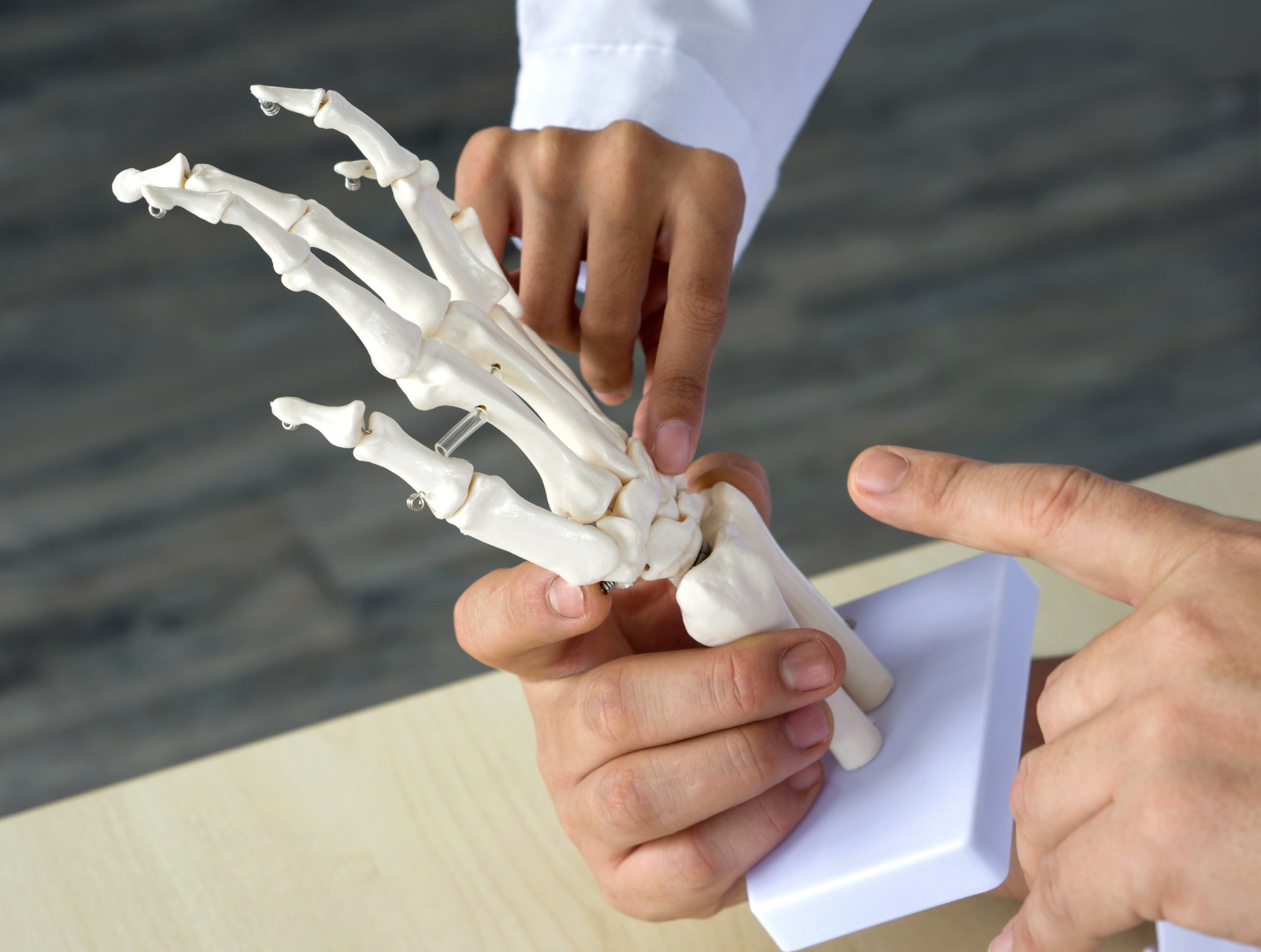
Dupuytren's contracture is a thickening and shortening of the palmar fascia — a layer of tissue beneath the skin of the palm — that gradually pulls the fingers toward the palm. The ring and little fingers are most commonly affected, though any finger can be involved. The exact cause isn't fully understood, though risk factors include age, family history, and certain underlying health conditions.
The condition tends to progress slowly, sometimes over many years, and can eventually limit hand function if left untreated.
Treatment Options
Early stage: In its earlier stages, corticosteroid injections into the affected tissue may help reduce localised tenderness and can slow further thickening.
More advanced cases: Where the condition has progressed to the point where the hand can no longer lie flat, or finger movement is significantly restricted, surgery is generally the most effective option. Dupuytren's contracture can sometimes return after surgery, either at the same site or elsewhere in the hand.
Mr Acosta-Rojas will assess the severity and progression of your condition and recommend the most appropriate treatment pathway for you.
-
Your first step is a consultation with Mr Acosta-Rojas to assess the severity and progression of your condition. Depending on your stage of disease, treatment may start with a corticosteroid injection, or move directly to surgery if the contracture is more advanced.
-
Corticosteroid injections carry a small risk of infection or localised irritation. Where surgery is required, risks can include, but are not limited to:
Infection or delayed wound healing
Nerve or blood vessel injury
Stiffness or reduced hand function during recovery
Scarring
Recurrence of the contracture, either at the same site or elsewhere in the hand
Risks associated with anaesthesia
Mr Acosta-Rojas will discuss the risks relevant to your specific treatment pathway during your consultation.
-
Following surgery, hand therapy is often recommended to support recovery of movement and function. You'll be given written aftercare instructions and follow-up appointments to monitor your healing, along with contact details for any concerns.
-
As with any medical or surgical treatment, individual results vary, and the condition can recur over time regardless of treatment approach. Mr Acosta-Rojas can discuss realistic expectations for your specific situation during your consultation.
Costs will be set out in writing before you proceed. Nothing is finalised until you've had the chance to review it in full.

Arrange Your Consultation
Start with a conversation with our team about your goals and whether this procedure is right for you.


