

PLASTIC & RECONSTRUCTIVE SURGERY
Nerve Compression Syndromes
Also known as a trapped or pinched nerve — a common hand condition, often caused by repetitive work-related tasks. Performed by Mr Rafael Acosta-Rojas (MED0001642629) at our Geelong clinic.
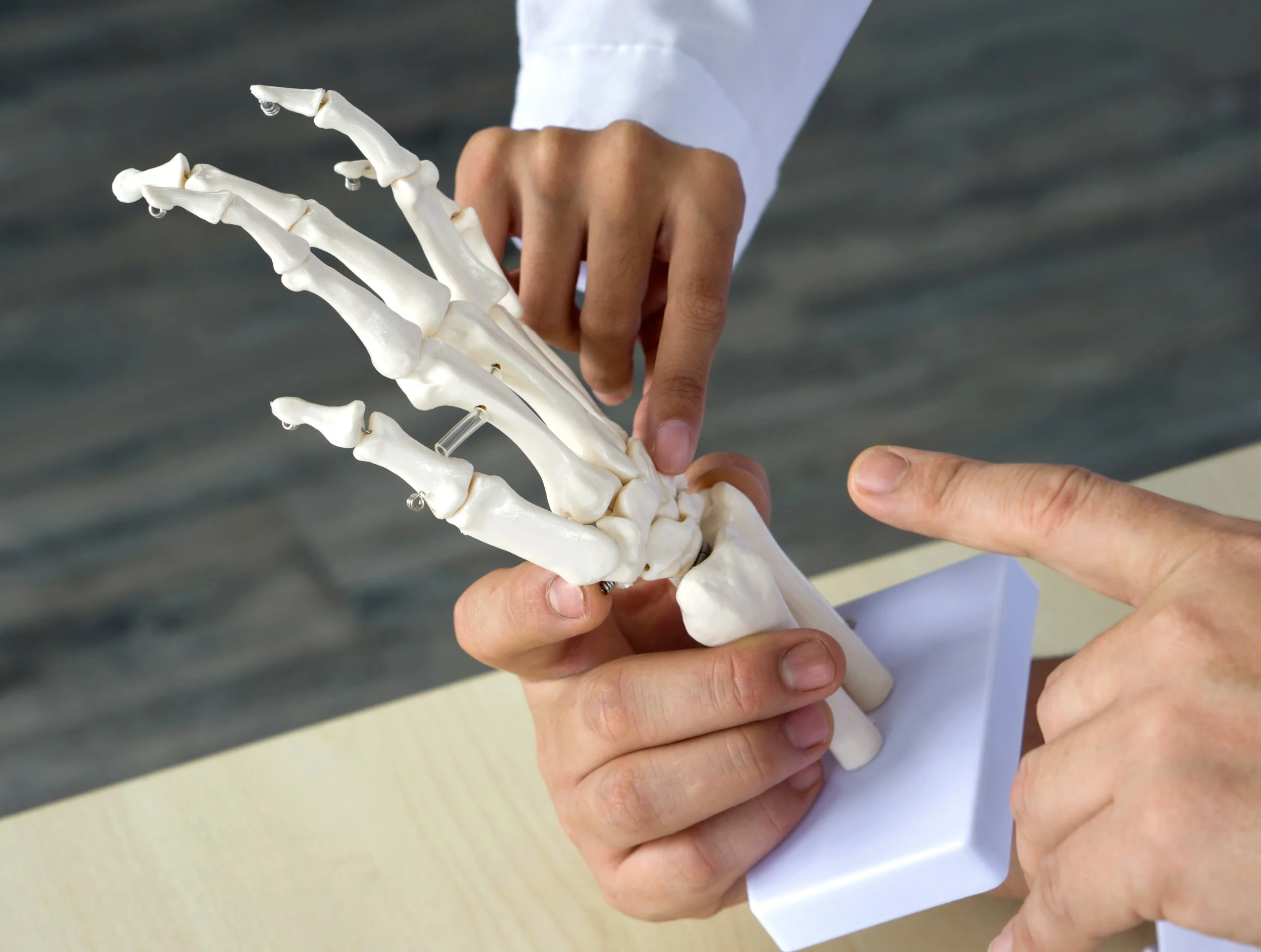
About the Condition
Nerve compression — also known as a trapped nerve or pinched nerve — is a common hand condition, often caused by the repetitive nature of certain work-related tasks. Damage from nerve compression can range from minor to severe, and symptoms typically include pain, tingling, numbness and general muscle weakness in the hand.
Carpal tunnel syndrome, caused by pressure on the median nerve, is one of the most common forms of nerve compression — see our Carpal Tunnel Syndrome page for more detail on that specific condition.
It's important to seek treatment for nerve compression as soon as possible. The quicker you get a diagnosis and appropriate treatment, the quicker relief is generally found.
Treatment Approach
Treatment varies depending on the underlying cause and severity of the nerve compression. In many cases, ultrasound-guided cortisone injections administered by a qualified hand surgeon may be used to relieve symptoms. Mr Acosta-Rojas will assess your specific condition and recommend the most appropriate treatment pathway.
-
Your first step is an assessment with Mr Acosta-Rojas to identify the cause and severity of your nerve compression — this may include a nerve conduction test, depending on the suspected cause. Treatment is then tailored to your specific condition, which may include ultrasound-guided cortisone injections or, in more involved cases, surgery.
-
Cortisone injections carry a small risk of infection or temporary discomfort at the injection site. Where surgery is required, risks can include, but are not limited to:
Infection or delayed wound healing
Further nerve damage
Incomplete relief of symptoms
Stiffness or scarring
In rare cases, recurrence of the condition
Risks associated with anaesthesia
Mr Acosta-Rojas will discuss the risks relevant to your specific condition and treatment pathway during your consultation.
-
Aftercare depends on your specific treatment and diagnosis. You'll be given written aftercare instructions and follow-up appointments to monitor your recovery, along with contact details for any concerns.
-
Outcomes depend on how early the condition is diagnosed and treated, as well as the underlying cause. As with any medical or surgical treatment, individual results vary. Mr Acosta-Rojas can discuss realistic expectations for your specific situation during your consultation.
Costs will be set out in writing before you proceed. Nothing is finalised until you've had the chance to review it in full.

Arrange Your Consultation
Start with a conversation with our team about your goals and whether this procedure is right for you.


