

PLASTIC & RECONSTRUCTIVE SURGERY
Sports Injuries
Hand and wrist injuries are common in sport, ranging from fractures and dislocations to ligament and tendon damage — treatment depends on the nature and severity of the injury. Performed by Mr Rafael Acosta-Rojas (MED0001642629) at our Geelong clinic.
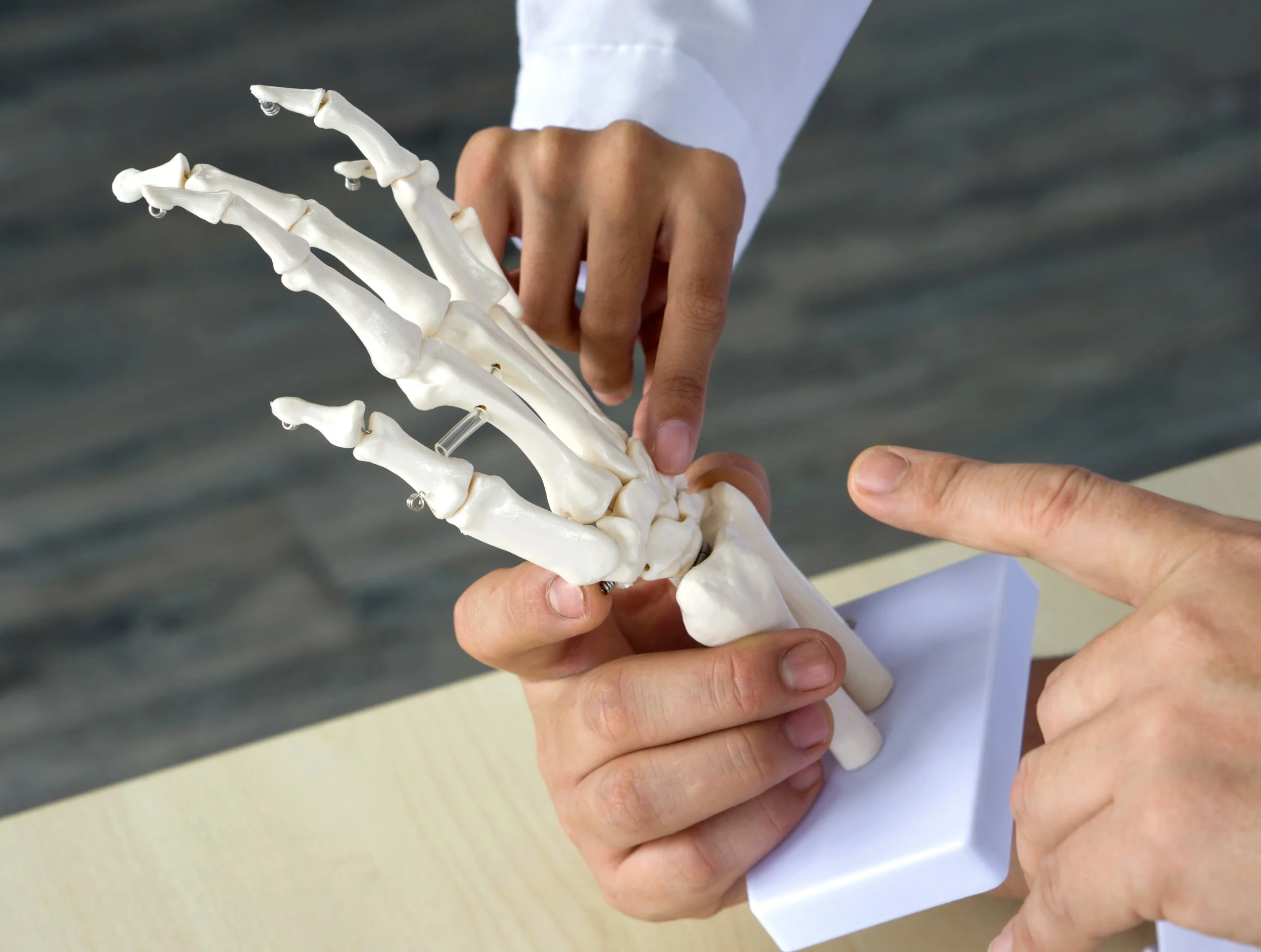
About Sports-Related Hand & Wrist Injuries
The hand and wrist are frequently injured in sport, particularly in contact and ball sports. Common injuries include sprains and strains, fractures, dislocations, ligament tears, and tendon injuries — the latter often affecting the extensor tendons on the back of the hand, which can result in conditions such as mallet finger. Injuries can result from a direct blow, a fall, or a jamming or twisting motion.
Prompt attention matters. If pain is mild, initial at-home care — rest, ice, compression and elevation — may be appropriate, but if pain, swelling or restricted movement persists or worsens, it's worth being assessed rather than continuing to play through it.
Treatment Approach
Diagnosis typically involves a physical examination and, where needed, imaging to check for a fracture or other structural damage. Treatment depends entirely on what's found — some injuries respond well to splinting and rest, while more significant injuries, such as a cut tendon, will require surgery. Mr Acosta-Rojas works alongside a Hand Therapist as part of the recovery process, with exercise often recommended to support healing and regain function.
-
Your first step is an assessment with Mr Acosta-Rojas, which may include imaging to check for a fracture or other structural damage. Treatment depends entirely on what's found — this can range from splinting and rest through to surgery for more significant injuries, such as a torn tendon or ligament.
-
Where surgery is required, risks can include, but are not limited to:
Infection or delayed wound healing
Stiffness or reduced range of movement
Nerve damage
Incomplete recovery of strength or function
The possibility that further surgery may be needed
Risks associated with anaesthesia
Mr Acosta-Rojas will discuss the risks relevant to your specific injury and treatment pathway during your consultation.
-
Recovery often involves working with a Hand Therapist, with specific exercises recommended to support healing and regain strength and movement. You'll be given written aftercare instructions and follow-up appointments to monitor your progress, along with contact details for any concerns.
-
Recovery timeframes and outcomes vary depending on the type and severity of injury, and how promptly it was treated. As with any medical or surgical treatment, individual results vary. Mr Acosta-Rojas can discuss realistic expectations for your specific situation during your consultation.
Costs will be set out in writing before you proceed. Nothing is finalised until you've had the chance to review it in full.

Arrange Your Consultation
Start with a conversation with our team about your goals and whether this procedure is right for you.


