

PLASTIC & RECONSTRUCTIVE SURGERY
Trigger Finger Release
A common hand condition causing catching, locking or popping in the finger or thumb, treated through a staged approach from splinting through to surgical release. Performed by Mr Rafael Acosta-Rojas (MED0001642629) at our Geelong clinic.
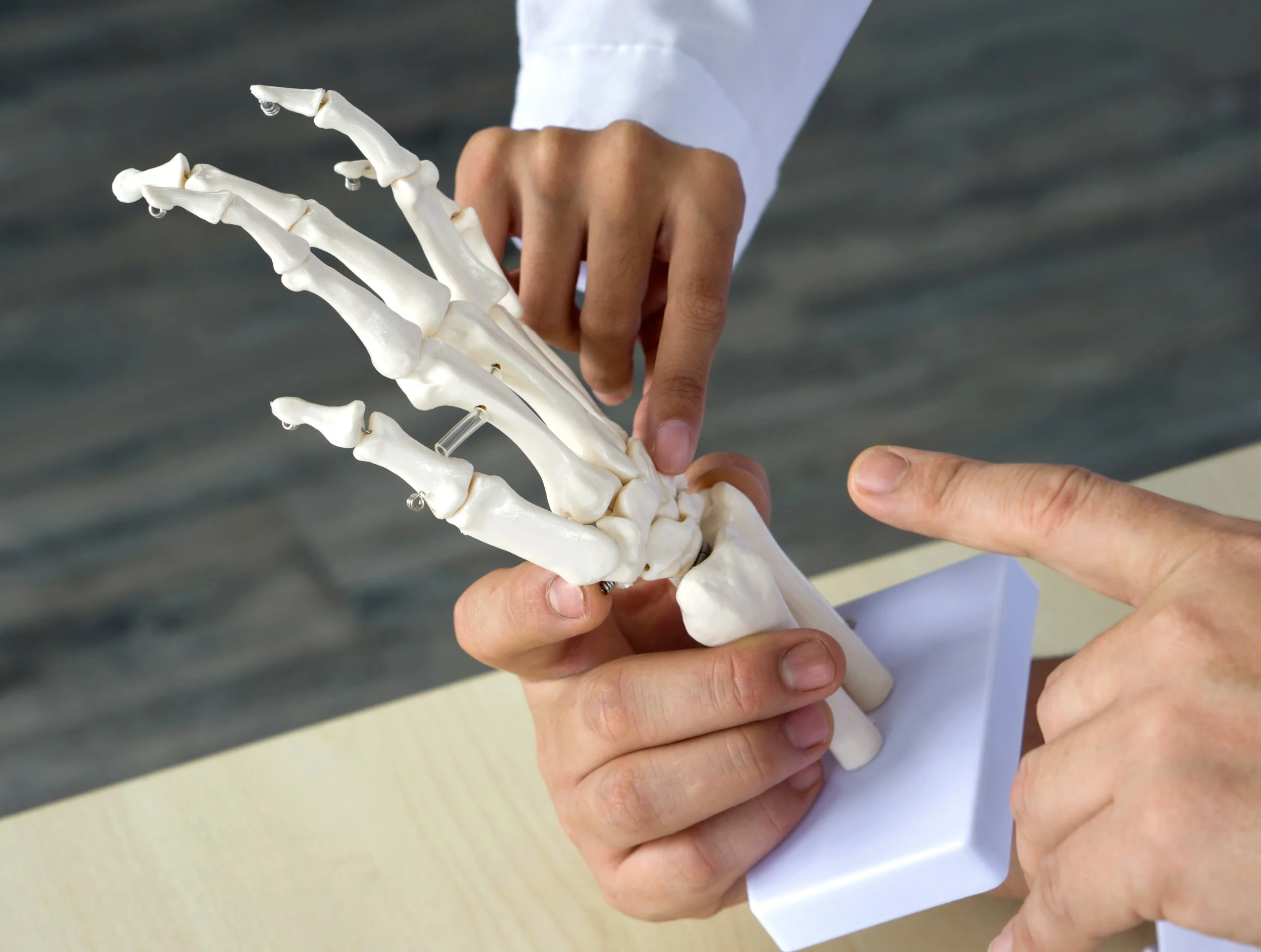
About the Condition
Trigger finger occurs when the pulley at the base of the finger becomes thickened and constricts around the tendon, making it harder for the tendon to glide freely. This increased resistance can cause pain or a popping sensation as the finger bends and straightens, and in more advanced cases, the finger can become stuck in a bent position.
The exact cause isn't always clear, though trigger finger is sometimes associated with conditions such as rheumatoid arthritis, gout and diabetes.
Treatment Approach
The aim of treatment is to eliminate the catching or locking and allow full, comfortable movement of the affected finger or thumb. Splinting sometimes helps, and a course of steroid injections can provide relief for many people. Where these approaches haven't resolved the condition, surgical release of the pulley may be recommended. Mr Acosta-Rojas will assess your specific situation and recommend the most appropriate treatment pathway.
-
Your first step is a consultation with Mr Acosta-Rojas to assess the severity of your symptoms. Treatment often starts with splinting or a steroid injection, which can provide relief for many people — though this may need to be repeated, or in some cases doesn't fully resolve the condition, in which case surgical release may be recommended.
-
Steroid injections carry a small risk of infection or temporary discomfort at the injection site. Where surgical release is required, risks can include, but are not limited to:
Infection or delayed wound healing
Nerve damage
Stiffness
Incomplete relief of symptoms
In rare cases, recurrence of the condition
Risks associated with anaesthesia
Mr Acosta-Rojas will discuss the risks relevant to your specific treatment pathway during your consultation.
-
Following surgical release, movement of the finger is generally encouraged early to support recovery. You'll be given written aftercare instructions and follow-up appointments to monitor your healing, along with contact details for any concerns.
-
Many people find relief with splinting or injection therapy alone, though results vary and some cases require surgery. As with any medical or surgical treatment, individual results vary. Mr Acosta-Rojas can discuss realistic expectations for your specific situation during your consultation.
Costs will be set out in writing before you proceed. Nothing is finalised until you've had the chance to review it in full.

Arrange Your Consultation
Start with a conversation with our team about your goals and whether this procedure is right for you.


