

SKIN CANCER
Skin Cancer Diagnosis & Biopsy
Where a spot can't be diagnosed by examination alone, a biopsy provides can provide an answer — performed on-site at ASFB.
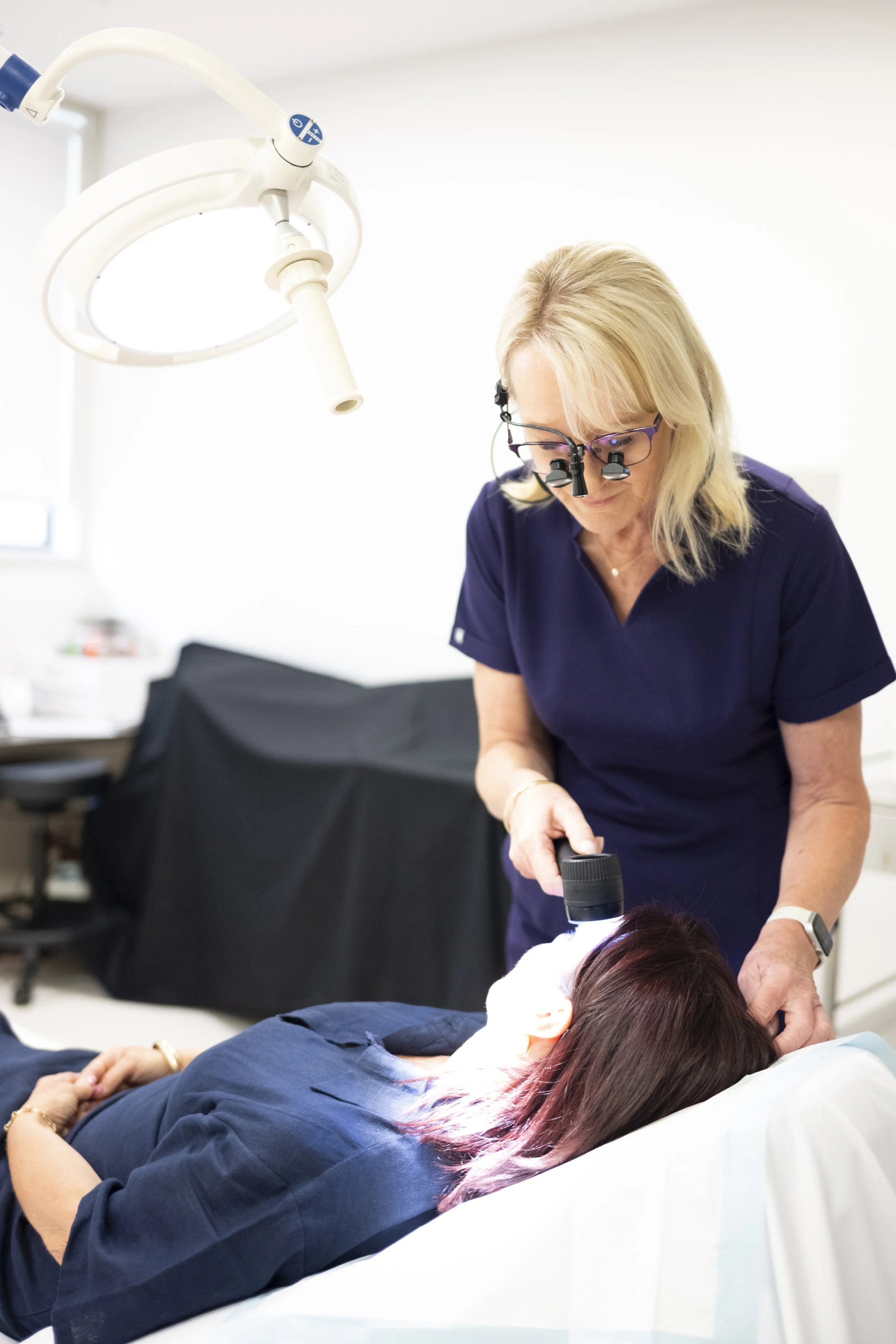
About Diagnosis & Biopsy
It's not always possible to tell whether a spot is skin cancer just by looking at it. Where there's any doubt, your doctor may recommend a biopsy — taking a small sample of tissue, or removing the spot entirely, to be examined under a microscope. This confirms the diagnosis and, in many cases, guides what treatment is needed next.
A biopsy is a minor procedure, generally performed in-clinic under local anaesthetic. Depending on the size and location of the spot, your doctor may take a small sample (a shave or punch biopsy) or remove the entire spot along with a small margin of surrounding tissue (an excision biopsy). The sample is sent to a laboratory for analysis, with results typically available within a few business days.
-
If your doctor identifies a spot that needs further investigation, they'll explain the recommended approach and, where appropriate, can often perform the biopsy at the same appointment. You'll be given a local anaesthetic to numb the area beforehand, so you shouldn't feel pain during the procedure, though some pressure or a brief stinging sensation from the anaesthetic injection is normal.
-
As with any minor surgical procedure, biopsy carries risks. These can include, but are not limited to:
Bleeding or infection
Scarring at the biopsy site, which varies depending on the method used
Bruising or discomfort around the site
Your doctor will discuss what to expect for your specific procedure, including likely scarring, before proceeding.
-
You'll be given wound care instructions to follow at home. Most people can return to normal activities the next day, though it's worth avoiding strenuous use of the biopsied area in the meantime. Your doctor will contact you once results are available, generally within a few business days, to discuss the diagnosis and any next steps.
-
A biopsy provides a definitive diagnosis, which your doctor will discuss with you once results are available. Depending on the outcome, this may be enough on its own, or further treatment may be recommended.

Arrange Your Consultation
Start with a conversation with our team about your goals and whether this procedure is right for you.


