

SKIN CANCER
Skin Lesion Removal
Removal of benign skin lesions such as cysts, lipomas, skin tags and moles — whether for medical reasons or peace of mind.
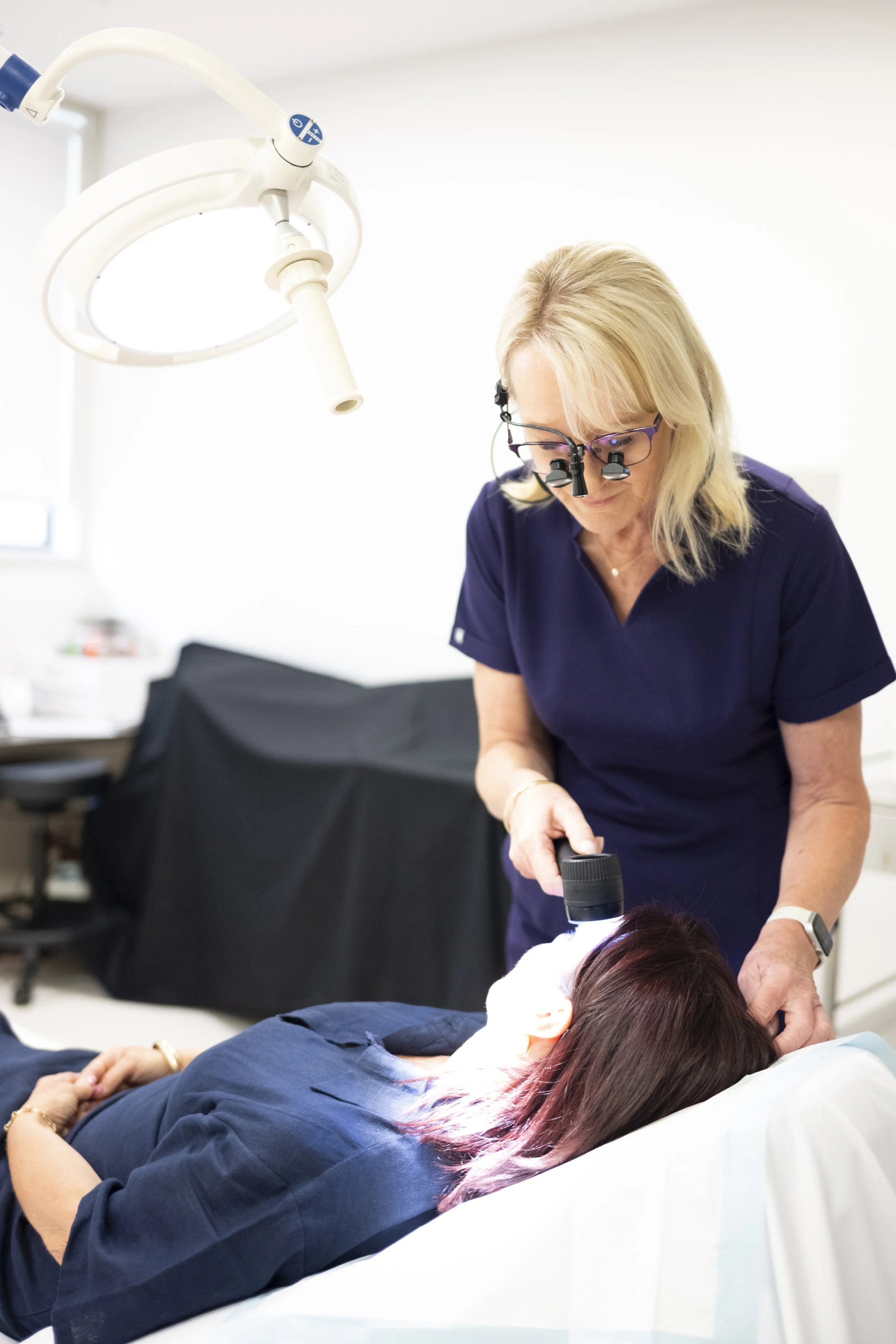
About Skin Lesion Removal
Skin lesions are common, and include sebaceous cysts, lipomas, skin tags and moles. Many can be safely left alone and cause no ongoing problems, though some may grow over time, or occasionally become irritated or infected. People choose to have a lesion removed for a range of reasons — because it's causing discomfort, for cosmetic reasons, or simply for reassurance that it isn't something more serious.
Surgical removal is the most reliable way to remove a skin lesion. Your doctor will assess the lesion and discuss whether removal is appropriate, and what the procedure involves for your specific case.
-
Your doctor will assess the lesion and discuss whether removal is appropriate for your situation. Removal is generally performed under local anaesthetic, in-clinic, and the sample may be sent for laboratory analysis depending on the type of lesion.
-
As with any minor surgical procedure, lesion removal carries risks. These can include, but are not limited to:
Bleeding or infection
Scarring, which varies depending on the size and location of the lesion
The lesion recurring, in some cases
Your doctor will discuss the risks relevant to your specific procedure before proceeding.
-
You'll be given wound care instructions to follow at home. Most people can return to normal activities shortly after the procedure, though it's worth avoiding strenuous use of the treated area in the meantime. If a sample was sent for analysis, your doctor will contact you once results are available.
-
Outcomes vary depending on the type and size of lesion removed. Your doctor can discuss what to expect for your specific situation, including likely scarring, at your appointment.

Arrange Your Consultation
Start with a conversation with our team about your goals and whether this procedure is right for you.


